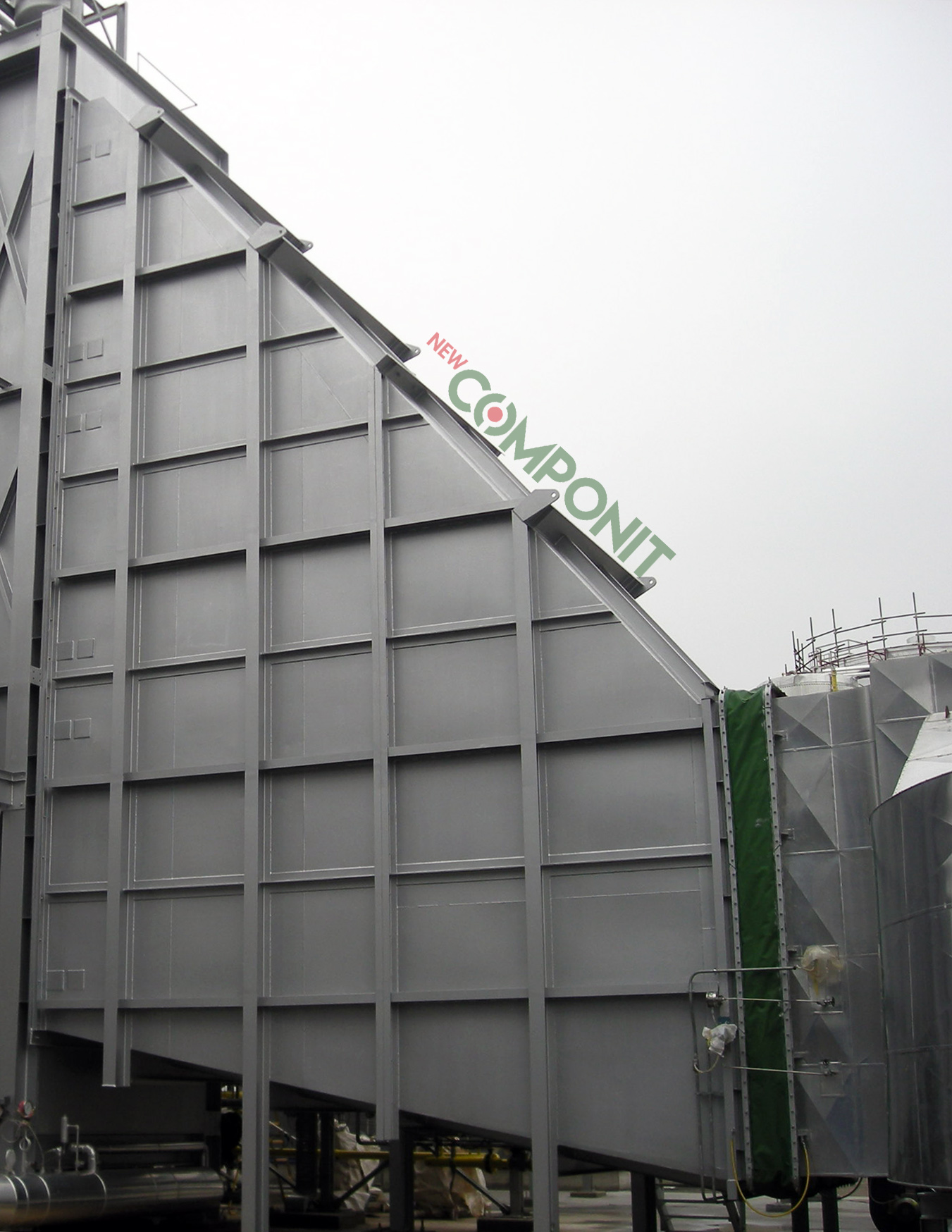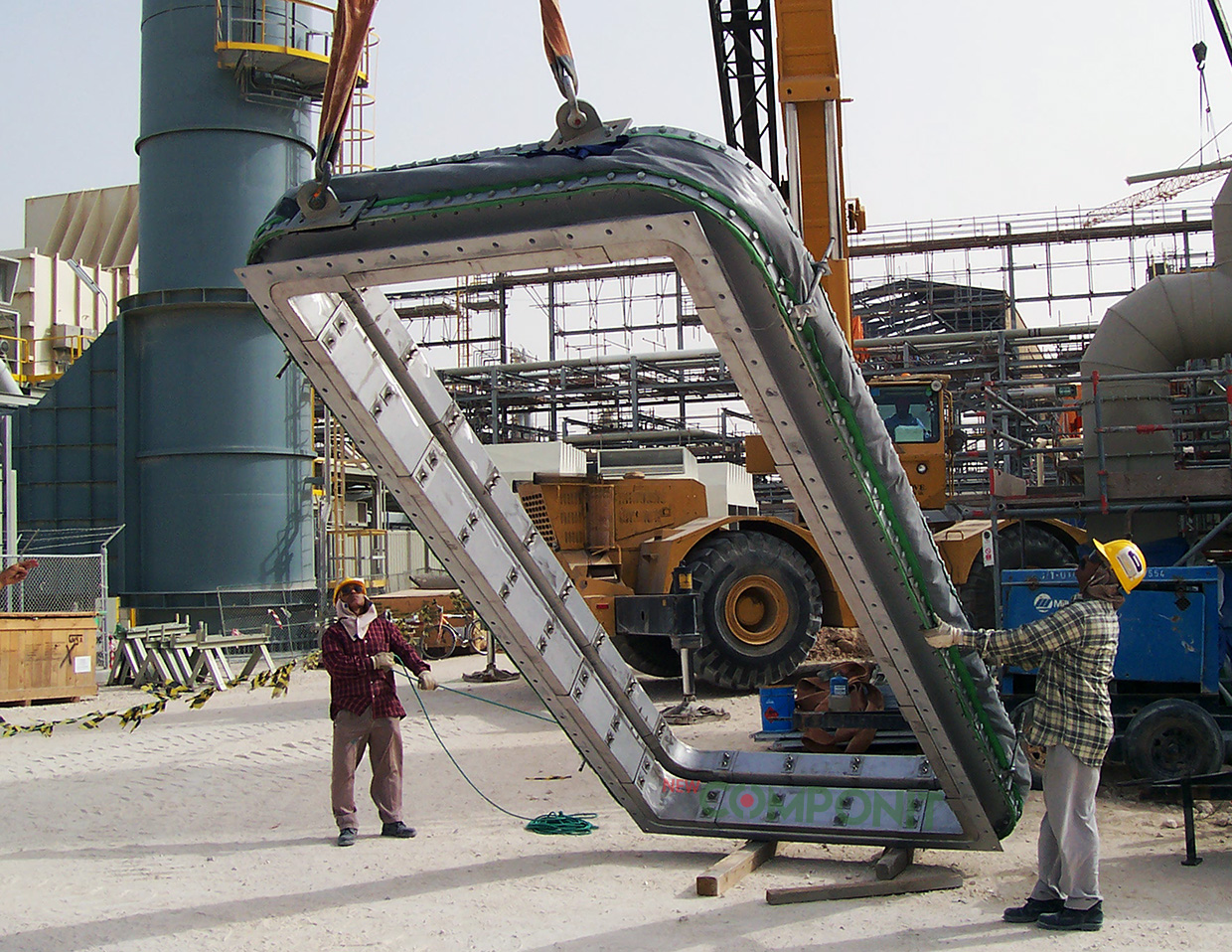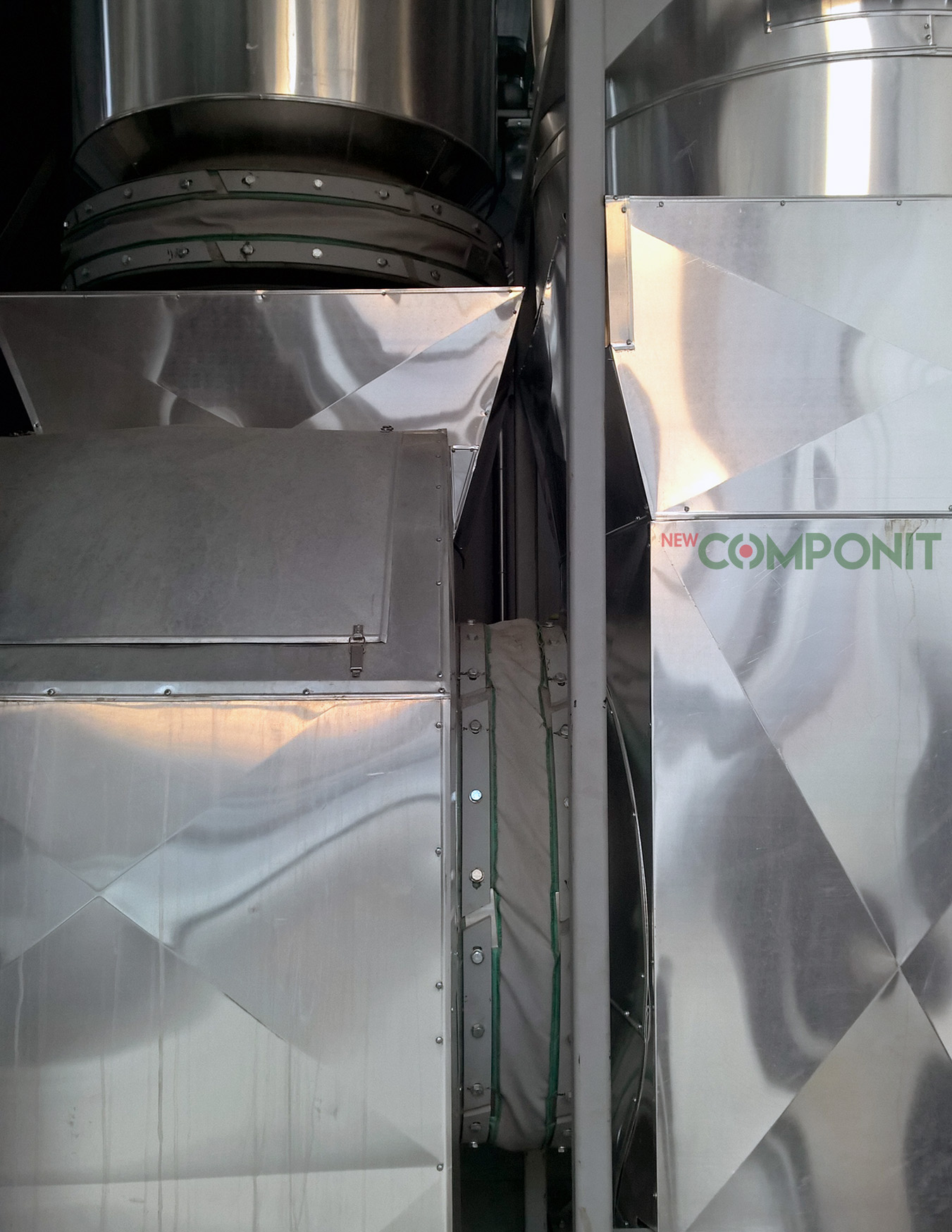
C’è sempre il giunto adatto, anche per le condizioni più estreme
La nostra azienda è specializzata in giunti tessili, ma più in generale in soluzioni tessili su misura per problemi legati a CALORE e CAMBI DI TEMPERATURA, RUMORE, FREDDO E FUOCO. Da oltre 35 anni portiamo la nostra expertise ingegneristica da Cirimido (CO) in tutto il mondo, misurandoci con ogni tipo di criticità degli impianti che sviluppano temperature estreme e trovando soluzioni sempre più innovative.
Sistemi di tubazioni e di condotti che convogliano ogni tipo di fluido sono le applicazioni dei giunti tessili. Tutti questi sistemi sono spesso soggetti a possibili danneggiamenti e rotture a causa di stress meccanici dovuti a variazioni di temperatura e pressione, nonché a vibrazioni o movimenti non desiderati.
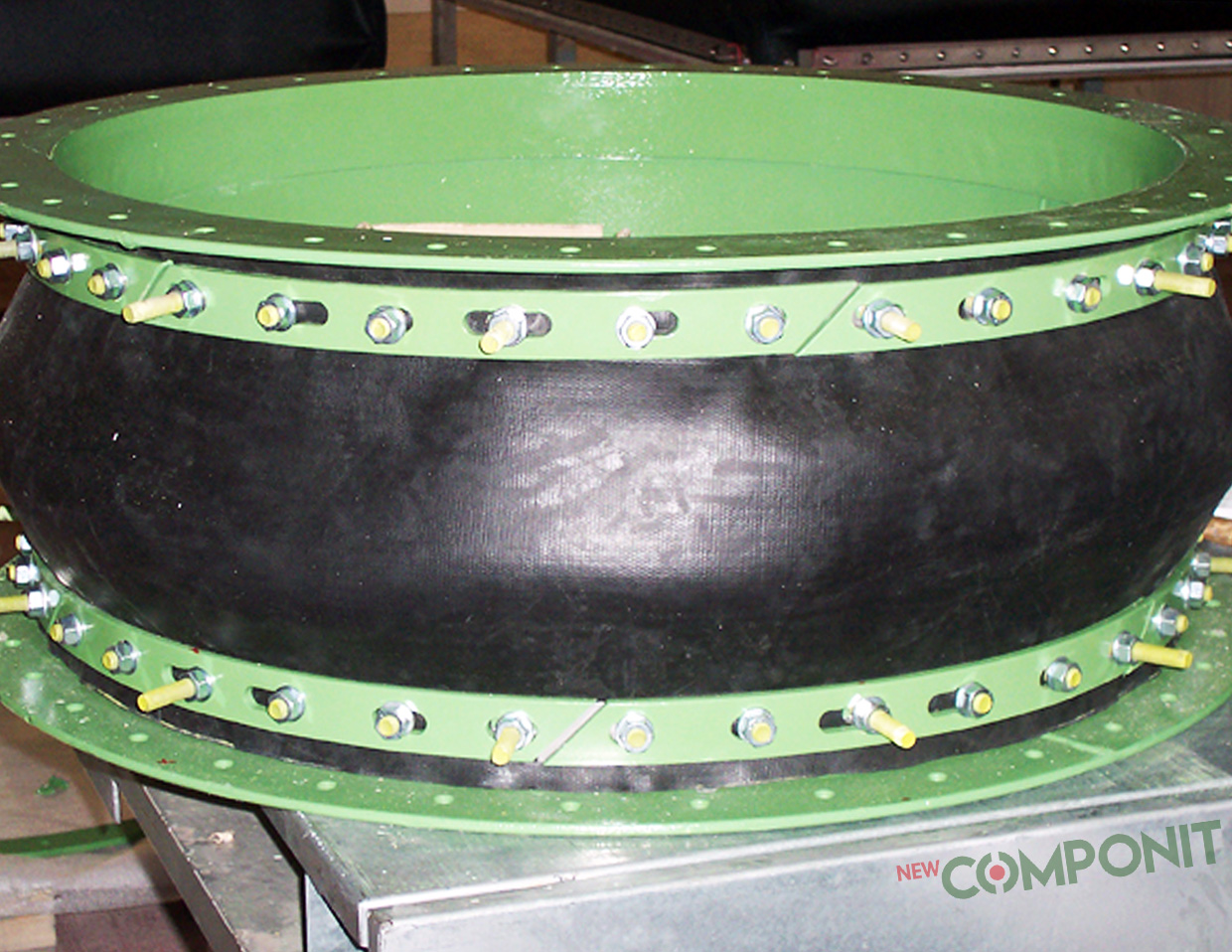
I compensatori, o giunti di dilatazione, sono connessioni flessibili il cui scopo è quello di assorbire le vibrazioni e compensare gli spostamenti tra i due tratti di tubazione ai quali sono collegati.
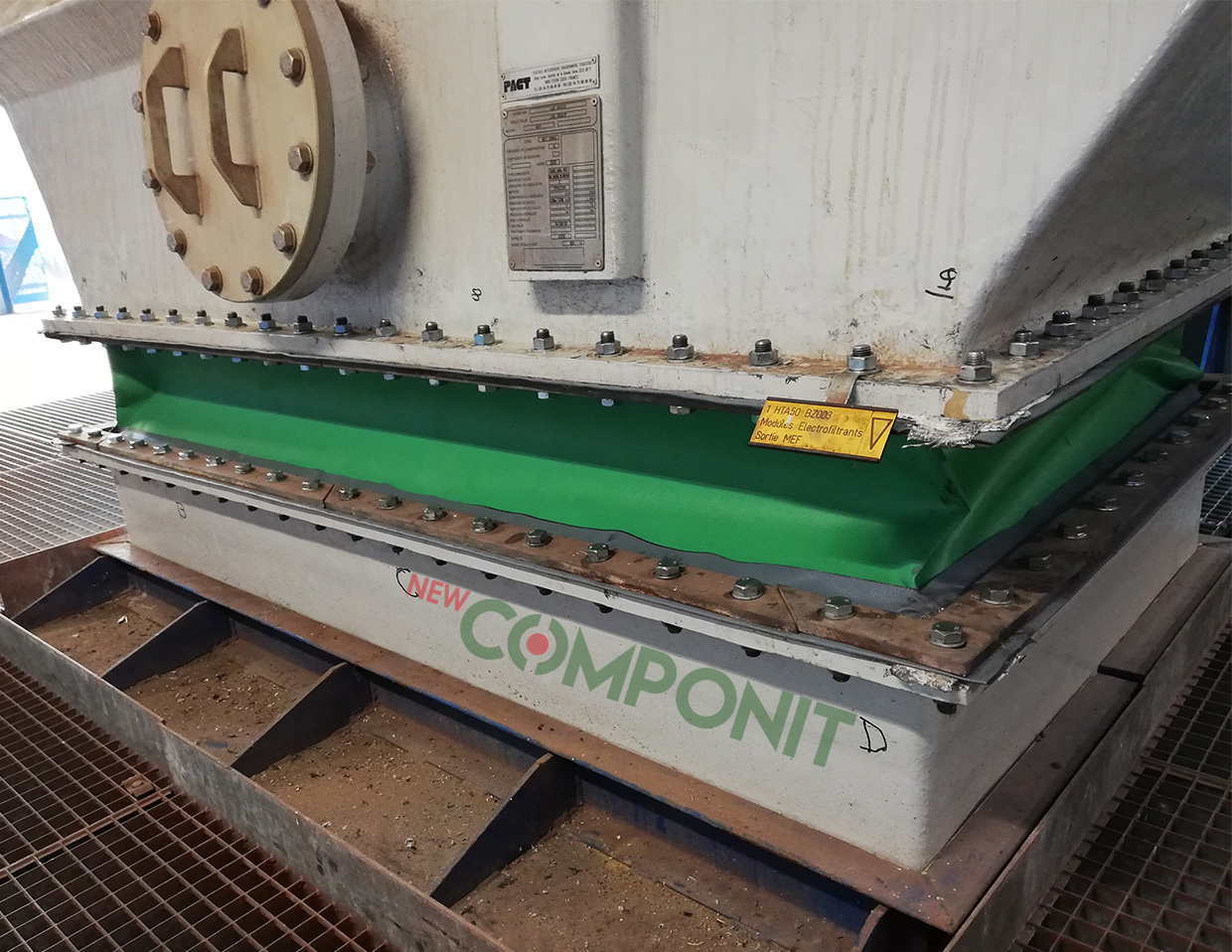
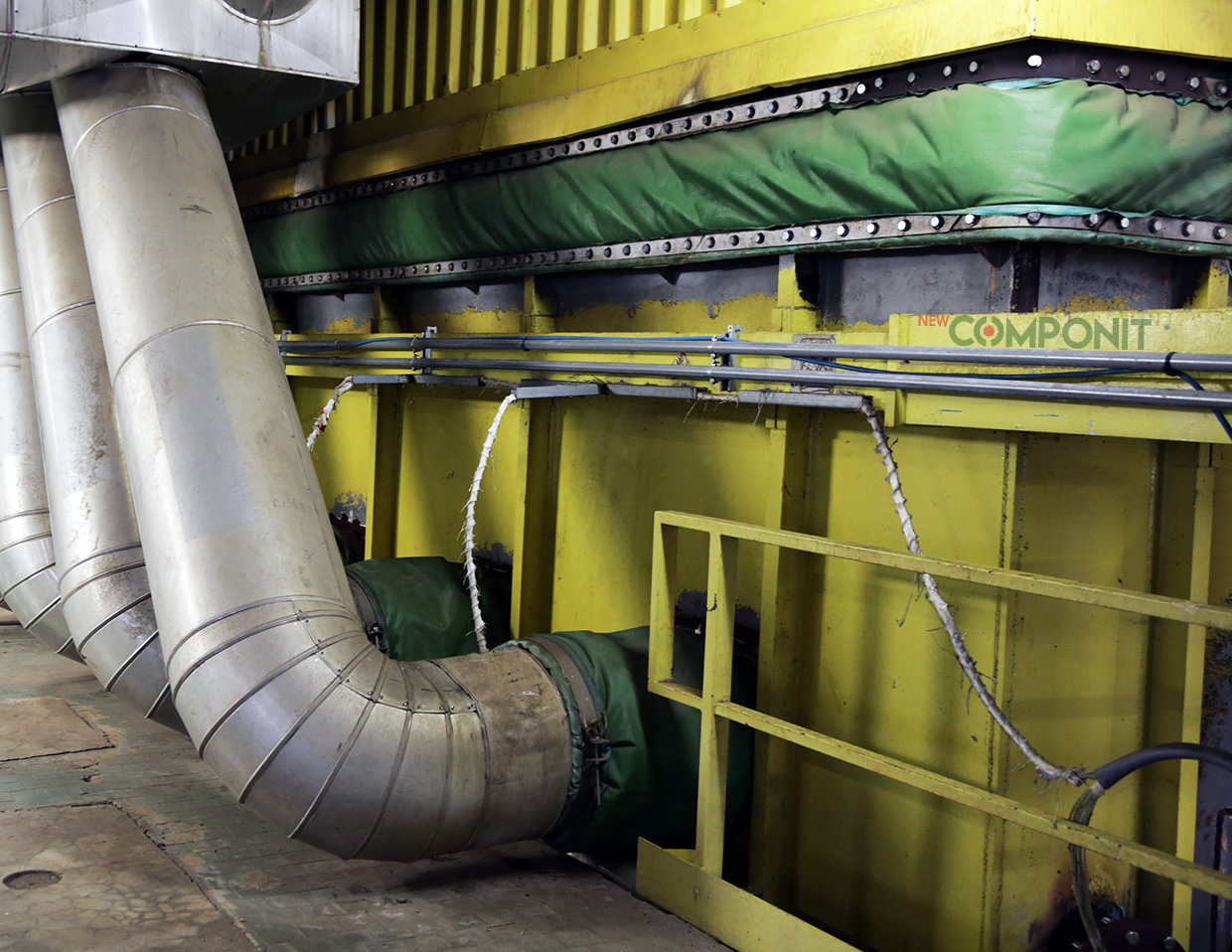
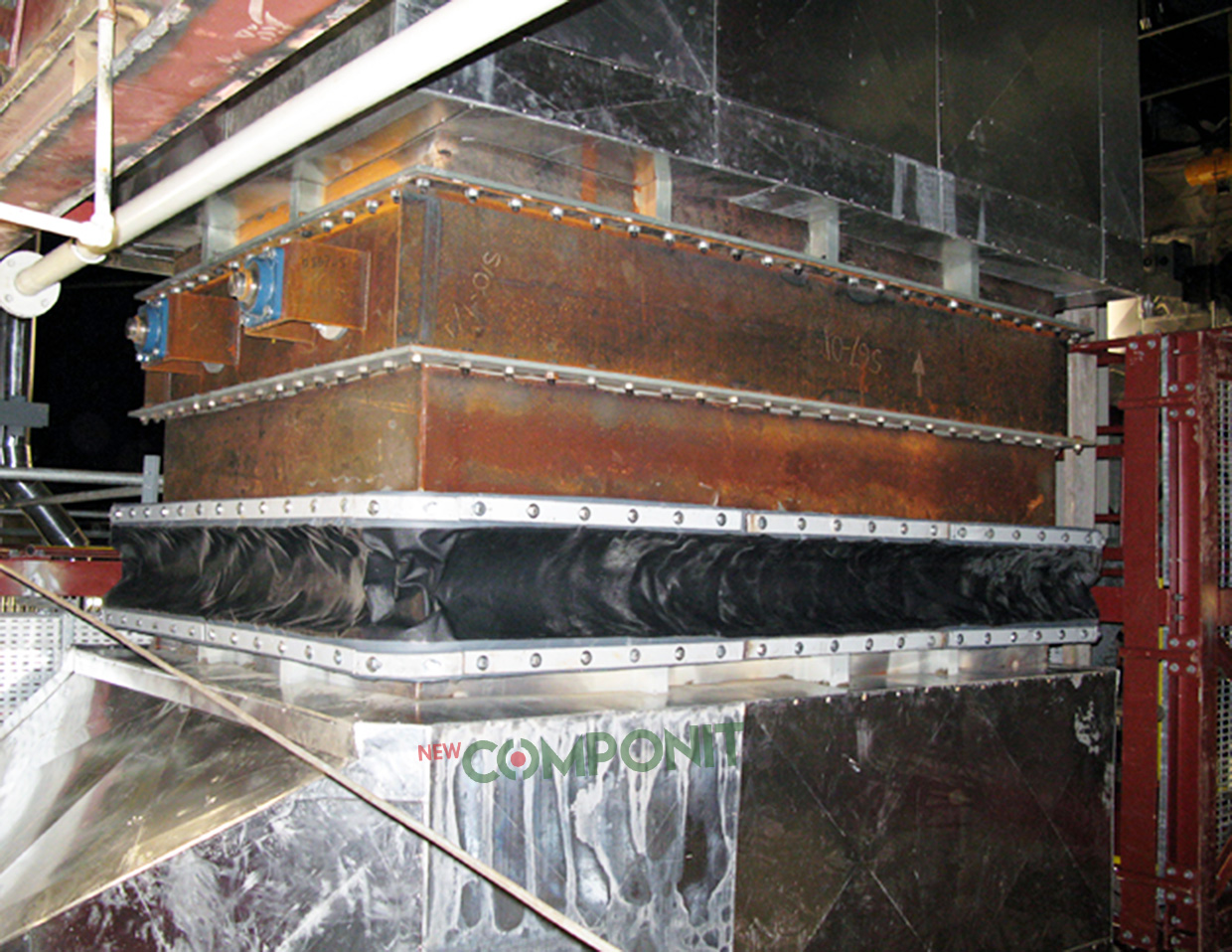
I giunti di dilatazione tessili si prestano a questo scopo quando i fluidi convogliati sono gassosi, qualunque siano la temperatura e la pressione, e sono in grado di compensare movimenti molto ampi.
La scelta del giunto tessile è dettata dalle condizioni di esercizio e dalla prestazione richiesta: temperatura, pressione, composizione chimica, movimenti, necessità di abbattimento termico ed acustico, durata richiesta ne determinano la stratificazione.
Noi, possiamo testare in anteprima i vostri giunti tessili grazie alla nostra camera test dedicata, in grado di raggiungere temperature di oltre 500°C.
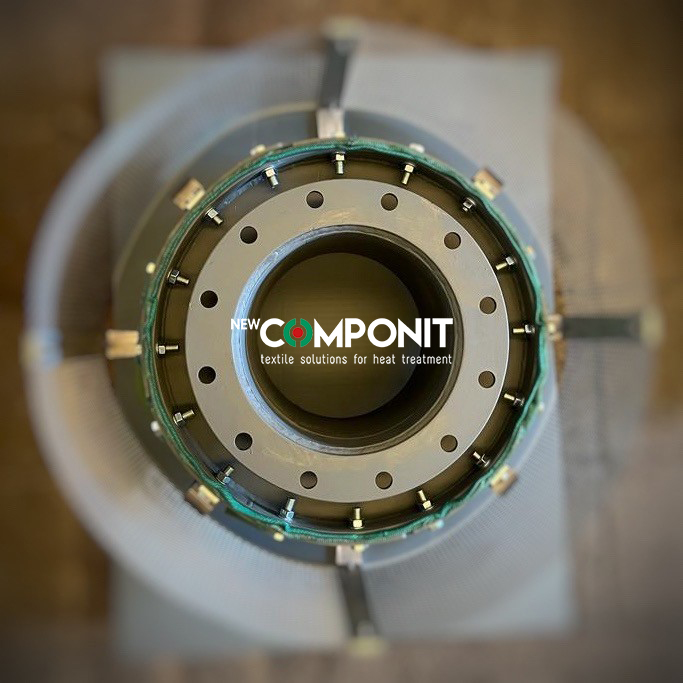
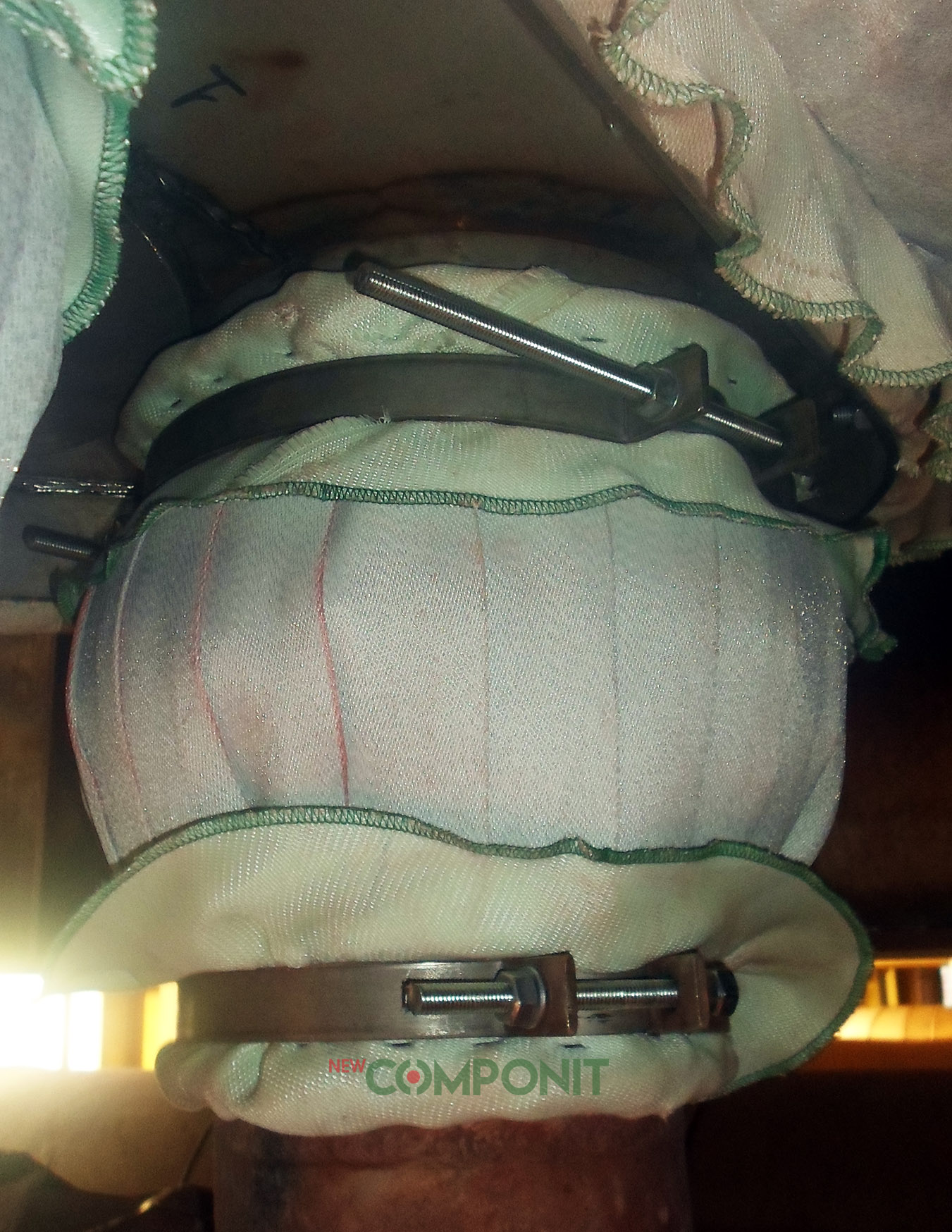
Piperflex®
Massima possibilità di movimenti e massimo abbattimento termico con temperature fino a 850°C